Tilly Norwood & AI Art

There’s been some discourse lately about Tilly Norwood, the AI generated actress, along with discussion of Gal Gadot’s AI movie. Given my open public stance opposing LLMs and my desire to be an intentional AI Luddite (to the extent that’s possible) I’m surprised to discover that my reaction to all this is…

I’m not too worried about it.

To be clear, AI performers, along with generated design elements, pose a significant threat to paying gigs for human beings. This has the potential to prevent many talented people from making a living. That’s a real problem and we should not support it.

But Tilly and her ilk will never pose a meaningful threat to the art and craft of acting. Acting, in its essence, is a method for human beings to explore our own nature. AI doesn’t change that in the least.
Continue reading “Tilly Norwood & AI Art” →

Book Review: Medieval Bodies: Life and Death in the Middle Ages by Jack Hartnell

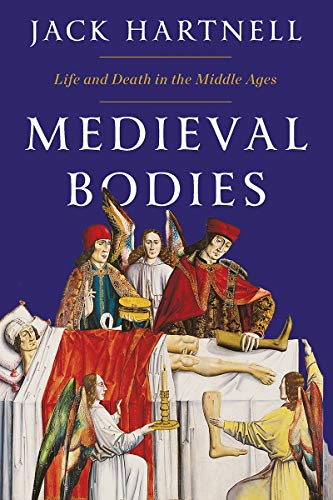
Cover of the book Medieval Bodies: Life and Death in the Middle Ages by Jack Hartnell
Medieval Bodies: Life and Death in the Middle Ages
by Jack Hartnell
Norton, 2019

This review was first published by Booklist on October 15, 2019.

**STARRED REVIEW** Medieval Bodies was a Sunday Times History Book of the Year when published in Britain last year, and it is now coming out in the U.S. Hartnell, a professor of the history of art and visual culture, brings together his vast knowledge of medieval art and writing to examine how European and Middle Eastern peoples of the time understood the workings of their own bodies. He starts with medical texts and illustrations, explores the legacy of classical Greek and Roman teachings, and surveys the general practices of medicine and healing during this period. But he doesn’t stop there. The body becomes a metaphor for medieval culture overall that informs our understanding of everything from the politics, religious beliefs, and class structures of this swath of Western history to the arts and interpersonal relationships of those who peopled it. Armed with Hartnell’s telling, readers will reassess their traditional view of the Middle Ages. Far from a Dark Age of superstition and ignorance, this was a time of curiosity, inquiry, and experimentation—a collision of the legacies of the past and the realities of the present. His knowledge and insight are impressive, and he shows uses [sic] with wit and humor.